



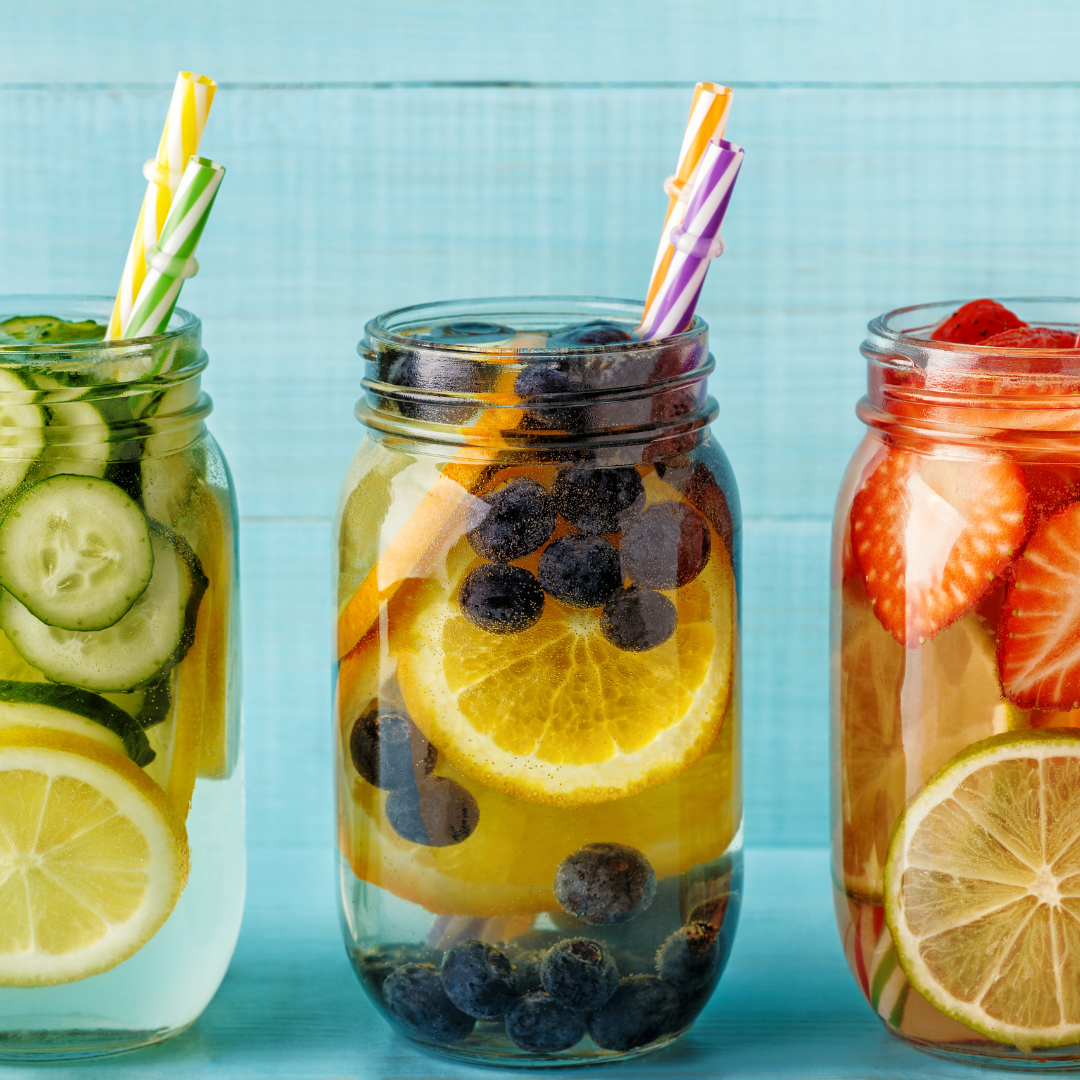
 Cannabis infused drinks have exploded into the scene in the last few years, making them a leader in the alternative (non-alcoholic) beverage market.
According to Fortune Business Insights, the global cannabis beverages market size was approximately 2.04 billion (US dollars) in 2023 and is projected to grow from 3.09 billion in 2024 to 117.05 billion by 2032, at an annual growth rate of 57.50% during 2024-2032. North America dominated the cannabis beverages market with a market share of 21.14% in 2023.
This robust popularity is due to consumers’ interest in experimenting with new and innovative food and beverage. Consumers who are beginners in this area are seeking accessible, discreet and predictable amounts of cannabis. Infused beverages provide consistency in dosages, are easily accessible and user friendly which is helping to drive the market growth.
A survey conducted by Truss Beverage Co., in November 2020, reported 35% of the respondents preferred consuming drinks infused with cannabis instead of smoking. Additionally, a strong subset of consumers are interested in healthier, less sugary, and low-alcohol beverages which has influenced their decision to choose infused drinks with health benefits over alcoholic drinks with no nutritional value.
Interestingly, when given the choice of edibles ranging from gummies, to chocolate bars, to mints and including beverages, the drinks have emerged as the most popular way to consume THC via digestion.
Consumers find beverages the most accessible, familiar and functional due to their superior benefits, portion-controlled doses, ease of use and availability. Beverages allow for faster onset as well, given their special formulation and that the soft tissues in your mouth, esophagus and stomach absorb the water soluble THC faster. Gummies and other edibles have to pass through the stomach lining and be absorbed there, which results in a longer onset tim.
Since the 2018 farm bill allowed hemp derived products to be sold almost anywhere in the US, private label brands and start ups have capitalized on this edge of the market, producing low dose products that comply with the standards while also being very appealing to consumers. It seems that every day a new company touting the benefits of their infused beverage pops up in my email or social media feed.
WHO ARE THESE DRINKS FOR?
The popularity of these products is partially due to the slowing trend of alcohol use. The millennials have realized they don’t want to make the same mistakes they’ve seen their parents and friends make by consuming too much alcohol. For Gen X, Boomers and those who fall into an older category (like myself) it’s more about how we feel and being tired of alcohol ruining sleep, compromising health and adding inches to our waistlines. As we age our metabolism gradually slows and becomes more sensitive to things like alcohol, which our bodies perceive as a poison. Your body puts more energy into ridding the body of the poison and therefore not enough energy into metabolism and digestion, which causes discomfort and weight gain along with a whole litany of other related health issues.
 TYPES OF BEVERAGES
When it comes to infused drinks there are a wide variety of options. There are infused seltzers (carbonated), there are mocktails that are similar to your favorite margaritas and old fashioneds, for example. There are infused waters (non carbonated), energy drinks, teas, and concentrated drops to infuse the drink of your choice. There is truly an option for all of your needs from energy to sleep and everything in between.
There is also a whole sector of drinks without cannabis but use other plants and herbs and their terpenes (just like we have terpenes in cannabis) to promote relaxation, sleep, calm, energy, etc, depending on the formulation. For example, we know from cannabis that the terpene Linalool is found in cannabis but also in Lavender. A drink might use lavender for its linalool to provide the same benefits found in cannabis but without any psychoactivity.
YOU SHOULD KNOW
As you begin to see advertisements, hear from friends about the wide range of products, and wonder what you should try, your first question needs to be “what’s in it?”.
Under the umbrella of “non alcoholic” drinks or “infused beverages” could be cannabis, herbs, adaptogens, delta -8, CBD, THC or any combination of these. One of my golden rules of cannabis coaching is “always know what you’re using” because each of these things can affect you differently. What’s exciting is that we have the ability to design how we want to feel when using cannabis and we want to ensure that result. Here are some examples:
- If you aren’t looking for a buzz but are after gentle relaxation, consider an adaptogen drink like Moment or HiYo.
- If you want to maximize the health benefits and only a moderate high, look for something like Happi Hour Drinks 5mg THC with 5mg CBD.
- For energy, or as a pre workout, the brand Offfield uses CBG in their drinks to provide a boost of energy.
- For relaxation before bedtime, an infused tea would be appropriate to promote a good night’s sleep.
ON THE GO
We are only starting to see bars and restaurants offer non-alcoholic options but expect this trend to grow as the legal landscape shifts.
For now, if you’re out and about and want to discreetly infuse any liquid, the company Nama makes drops that dissolve into the drink of your choice. This makes a convenient option if you’re somewhere that doesn’t provide these options.
The company MiHi makes a dissolvable powder that can be stirred into any beverage, again, providing a discreet option for when you need that convenience.
 FUTURE IS BRIGHT
Experts estimate that infused beverage market value will reach 2.8 billion in the US alone by 2025. This estimate is conservative given the legal status in the United States, and expected to exceed this following the trend of legalization and public acceptance. Cannabis is still federally illegal and prohibited in some states. Public opinion is shifting, however, and the legal landscape is expected to change, allowing for even more growth of this infused beverage market.
If you’re interested in jumping into this trend, I’m hosting an Alcohol Swap Challenge the weekend of September 27, 28, 29. When you join this challenge I’ll share my expertise and experience with infused beverages of all kinds including THC, CBD, Adaptogens, and various combinations. This will allow you to confidently choose a product to try. During the weekend you’ll try this alternative beverage instead of your normal alcohol. I’ll be available if you’re uneasy or have any questions or concerns, but I’m confident you’ll feel great and chances are, you’re going to want to try it again. We will evaluate your experience and I’ll provide guidance for going forward.
If you’re interested in this challenge or if you’re interested in more personalized information about cannabis and exercise and want to explore this topic further, feel free to reach out to me directly at Beth@Cannafitnessnutrition.com.
You can discover more about my comprehensive 12 week program, CannaFit, which helps you integrate cannabis as a tool into your fitness and nutrition to overcome obstacles such as stress or emotional eating at www.cannafitnessnutrition.com.
