




Unlike in-house testing, which may be subject to inherent biases, engaging an independent laboratory ensures an objective and unbiased analysis of cannabis products. These laboratories operate without any financial stake in the success or failure of the products they evaluate, their sole commitment being to the generation of accurate and reliable scientific data. This is precisely why mandatory cannabis testing has become a standard in every jurisdiction where its sale and consumption are legal. It provides a crucial layer of accountability and assurance within the supply chain.
The culmination of this rigorous testing process is the Certificate of Analysis, commonly referred to as a COA. This document serves as a comprehensive informational resource, analogous to the ingredient list found on food and beverage packaging. However, the COA for cannabis products goes far beyond simply listing constituents. At its core, it provides a detailed breakdown of the product’s chemoprofile, identifying and quantifying the various cannabinoids and terpenes present. Cannabinoids, such as THC (tetrahydrocannabinol) and CBD (cannabidiol), are the primary active compounds responsible for the diverse range of physiological and psychoactive effects associated with cannabis. Terpenes, on the other hand, are aromatic compounds that contribute not only to the plant’s distinct scent and flavor but also play a significant role in modulating the effects of cannabinoids through what is known as the “entourage effect.” This synergistic interaction between cannabinoids and terpenes is a key determinant of the overall experience a consumer will have with a particular product. By meticulously detailing the specific cannabinoids and terpenes and their respective concentrations, the COA empowers consumers to make informed choices based on their desired effects and sensitivities.
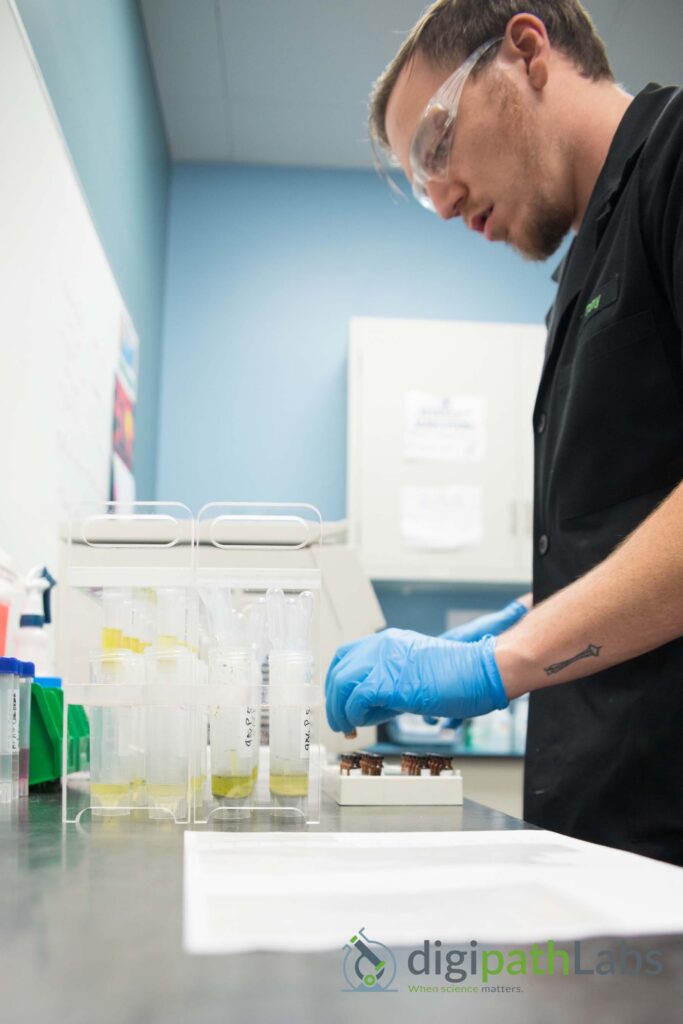
Beyond the beneficial compounds, the COA also plays a vital role in verifying the safety and purity of cannabis products. It outlines the results of tests conducted to detect the presence of potential contaminants that could pose health risks to consumers. These contaminants typically include:
-
Pesticides: Cannabis plants, like any other agricultural crop, can be susceptible to pests. The COA will indicate whether the product has been tested for a wide panel of pesticides and whether any residues exceed the permissible limits set by regulatory bodies.
-
Heavy Metals: Cannabis plants can absorb heavy metals from the soil or other medium in which they are grown or from the water they are fed. The COA will report the levels of various heavy metals, such as lead, arsenic, cadmium, and mercury, ensuring they fall within safe consumption levels.
-
Microbiology: Cannabis products can be vulnerable to microbial contamination, including bacteria, yeast, and mold. The COA will detail the results of microbial testing to confirm the absence or presence of these microorganisms within acceptable thresholds.
Todd Denkin, President and Founder of Digipath Labs in Las Vegas, NV said, “In essence, the Certificate of Analysis acts as a vital transparency tool, bridging the gap between producers and consumers. It provides scientific evidence of a product’s composition, potency, and safety, fostering trust and accountability within the cannabis industry. By demanding and understanding the information presented in a COA, consumers can confidently select products that align with their individual needs and preferences while mitigating potential health risks associated with contaminated or mislabeled goods. The mandatory nature of third-party testing and the accompanying COA underscores the industry’s commitment to quality, safety, and consumer empowerment in the evolving landscape of legal cannabis.”
