



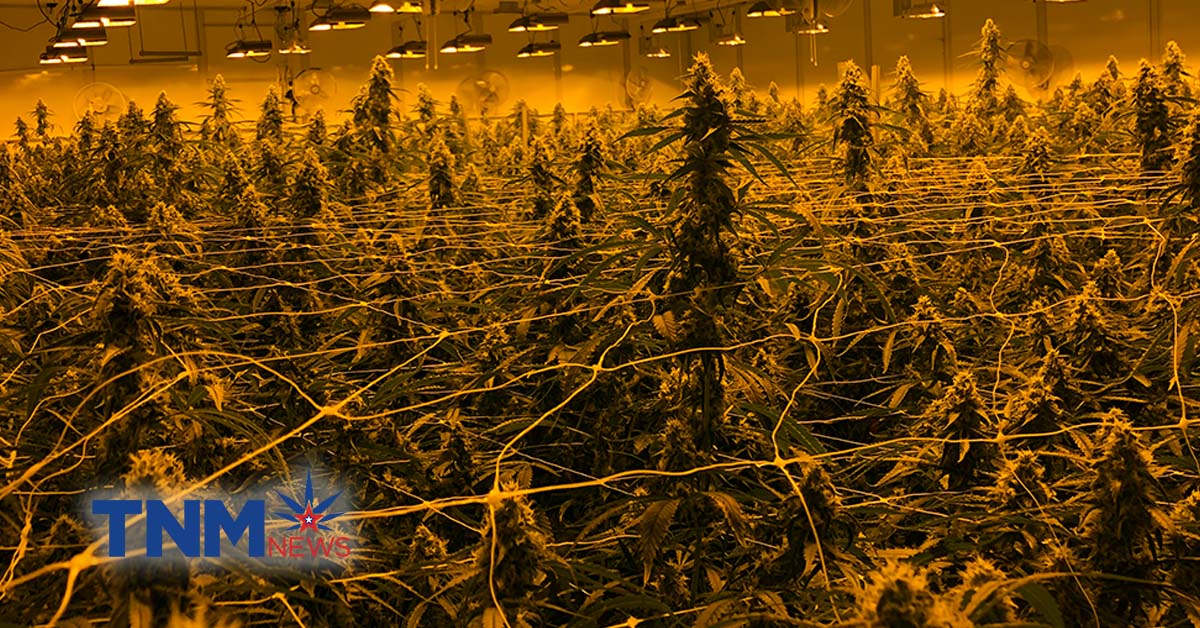
Electors in five states casted a ballot on Tuesday on whether to legitimize marijuana in a few structures and just a single measure passed.
In Florida, almost 56% of citizens supported Correction 3 to sanction grown-up use marijuana however the action neglected to accomplish the expected 60% of votes important to alter the state’s constitution.
Adult use marijuana sanctioning measures additionally neglected to collect greater part support in North Dakota and South Dakota. While electors in Arkansas were permitted to cast a ballot for extending the state’s current clinical pot program, the state’s High Court controlled preceding the political race that the votes couldn’t be counted.
The main state to support a weed legitimization measure was Nebraska, which turned into the 39th state to sanction pot for clinical use. However, the legitimacy of the action is the subject of a progressing legitimate challenge.
Florida Correction 3, a proposed revision to the Florida Constitution to sanction weed for ownership, buy and sporting use in Florida for grown-ups 21 years old or more established, bombed on Tuesday night, notwithstanding collecting support from roughly 56% of the electorate.
In Florida, 60% of citizens need to vote yes for it to pass. In this manner, despite the fact that Florida Revision 3 had the help of a greater part of the state’s electors, it was still defeated. The disappointment of Change 3 highlights the trouble in gathering a 60 percent supermajority necessity.
California Suggestion 64, which legitimized adult use weed in 2016, won 57.1 percent of the vote. What’s more, Colorado Revision 64, which authorized adult use pot in 2012, won simply 55.3 percent of the vote. Accordingly, generally similar level of citizens casted a ballot to support adult use pot in Florida as they did in California and Colorado.
What’s more, electors in eight states endorsed the legitimization of adult use marijuana with less help than Florida’s action got yesterday.
Ron DeSantis, who firmly went against Change 3, and the state’s conservative overwhelmed Governing body might have forestalled the improvement of a hearty grown-up use market in Florida.
Nebraska turned into the 39th state to legitimize marijuana for clinical use when it passed two pot drives, Drives 437 and 438, by vast dominant parts. Drive 437, which passed with 70.7 percent of the vote, embraces the Nebraska Clinical Marijuana Patient Insurance Act, which legitimizes the belonging and endorsing of clinical pot. Drive 438, which passed with 66.9 percent of the vote, sanctions the Nebraska Clinical Weed Guideline Act, making an administrative system for a clinical marijuana market.
Voters in five states voted yesterday on whether to legalize cannabis in some form and only one measure passed. In Florida, nearly 56 percent of voters approved Amendment 3 to legalize adult-use cannabis but the measure failed to achieve the required 60 percent of votes necessary to amend the state’s constitution. Adult-use cannabis legalization measures also failed to garner majority support in North Dakota and South Dakota. While voters in Arkansas were allowed to vote in favor of expanding the state’s existing medical cannabis program, the state’s Supreme Court ruled prior to the election that the votes could not be counted. The only state to approve a cannabis legalization measure was Nebraska, which became the 39th state to legalize cannabis for medical use. But the validity of the measure is the subject of an ongoing legal challenge.
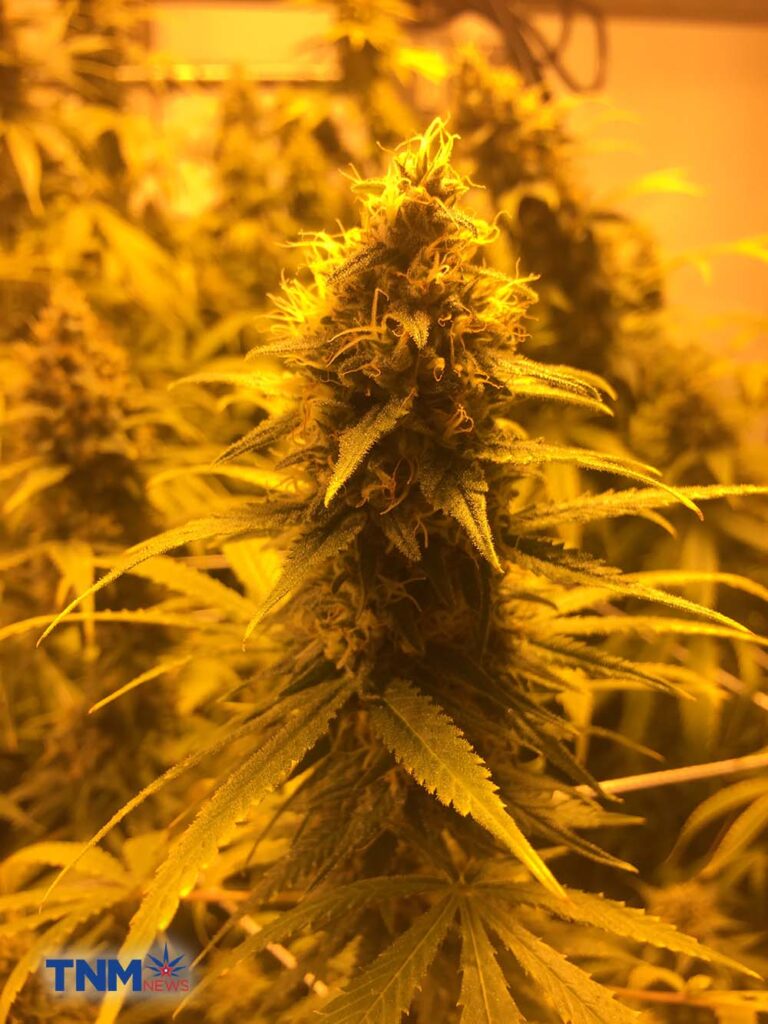
Florida
Florida Amendment 3, a proposed amendment to the Florida Constitution to legalize cannabis for possession, purchase and recreational use in Florida for adults 21 years of age or older, failed on Tuesday night, despite garnering support from approximately 56 percent of the electorate. In Florida, constitutional amendments must secure support from at least 60 percent of voters to pass. Thus, even though Florida Amendment 3 had the support of a majority of the state’s voters, it was still defeated.
The failure of Amendment 3 underscores the difficulty in meeting a 60 percent supermajority requirement. California Proposition 64, which legalized adult-use cannabis in 2016, won 57.1 percent of the vote. And Colorado Amendment 64, which legalized adult-use cannabis in 2012, won just 55.3 percent of the vote. Thus, roughly the same percentage of voters voted to approve adult-use cannabis in Florida as they did in California and Colorado. And voters in eight states approved the legalization of adult-use cannabis with less support than Florida’s measure received yesterday.
It is worth noting that had Amendment 3 passed, it would have required implementation legislation to issue additional licenses beyond the existing MMTCs. Thus, Governor Ron DeSantis, who staunchly opposed Amendment 3, and the state’s Republican-dominated Legislature may have prevented the development of a robust adult-use market in Florida.
Nebraska
Nebraska became the 39th state to legalize cannabis for medical use when it passed two cannabis initiatives, Initiatives 437 and 438, by large majorities. Initiative 437, which passed with 70.7 percent of the vote, adopts the Nebraska Medical Cannabis Patient Protection Act, which legalizes the possession and prescribing of medical cannabis. Initiative 438, which passed with 66.9 percent of the vote, enacts the Nebraska Medical Cannabis Regulation Act, creating a regulatory framework for a medical cannabis market. Highlights of these initiatives include:
- Legalizing possession and acquisition of up to five ounces of medical cannabis (not including the weight of any ingredient combined with the cannabis) for qualified patients, defined as a patient 18 years of age or older with a written recommendation from a healthcare practitioner or a patient younger than 18 years old with a written recommendation from a healthcare practitioner and a written consent from a parent or guardian (Initiative 437)
- Legalizing possession of cannabis accessories (Initiative 437)
- Requiring written recommendations from medical professionals in order to obtain medical cannabis (Initiative 437)
- Establishing a Nebraska Medical Cannabis Commission with the power to regulate possession, manufacturing, distribution, delivery, and dispensing of medical cannabis (Initiative 438)
- Requiring the Nebraska Medical Cannabis Commission to establish application criteria by July 1, 2025 (Initiative 438)
- Requiring the Nebraska Medical Cannabis Commission to begin granting licenses to medical cannabis operators by October 1, 2025 (Initiative 438)
- No criminal justice reforms, social equity provisions, or employment protections.
Despite passing the two drives on final voting day, the legitimacy of a huge number of marks on each action’s request is at present being tested in Lancaster Region Locale Court. Should an adequate number of marks be discredited, the entry of the actions might be refuted also. No matter what the Region Court’s choice, it will probably be spoke to the Nebraska High Court. We will keep on checking advancements in this legitimate challenge.
North Dakota neglected to pass Measure 5, which would have legalized the possession of up to one ounce of cannabis flower, four grams of cannabis concentrate, 1,500 milligrams of THC in cannabis products and 300 milligrams of edibles for adults 21 years of age or older. North Dakota already has a medical cannabis industry, but has repeatedly failed to legalize adult-use cannabis.
Like North Dakota, South Dakota has seen endeavors to sanction adult use cannabis for a really long time. This year, South Dakota electors crushed Measure 29, which would have authorized belonging and procurement of up to two ounces of flower, 16 grams of concentrate, and 1,600 milligrams of THC in cannabis products, as well as home development of up to six plants for each individual or 12 plants for every family, for adults 21 years old or older.
South Dakota citizens recently endorsed an adult use marijuana measure in 2020, however that action was upset by the state High Court for abusing the state’s single-subject rule. Hence, Measure 29 did exclude a proposed permitting system. Consequently, it actually would have ultimately depended on the South Dakota state council to pass regulation laying out an administrative system to execute Measure 29.
Lastly, Arkansas Issue 3 would have extended Arkansas’ clinical weed program to consider home development, additional passing circumstances, and the capacity for all clinical suppliers to recommend marijuana items to patients. However, while Arkansas electors were offered the chance to decide on the action this year, the Arkansas High Court decided that Issue 3 was “deluding” and thusly the votes couldn’t be counted.
In particular, the court found that the action’s name and title, which showed that the action was about the extension of clinical weed, was misdirecting on the grounds that the action likewise incorporated an arrangement to legitimize grown-up use marijuana in the state had it been in this manner sanctioned by the national government.
2024 has been a frustrating year for marijuana legitimization endeavors. Apparently 2024 will be the principal year starting around 2017 that no extra states will legitimize marijuana for adult use; the quantity of states where adult use pot is lawful remaining parts at 24. Furthermore, just a single state (Nebraska) seems ready to take on a clinical program this year.
